After the early rush of a relationship settles and life starts moving faster, kids, work, responsibilities, it’s incredibly easy for your relationship to slide into autopilot.
You’re both doing what needs to be done. You’re showing up, handling your roles, keeping everything moving. But the extra care, attention, and intentionality that once came so naturally can start to fade.
This is normal. Expected, even.
But when a relationship stays in this mode for too long, something else often shows up. One or both partners begin to feel invisible, lonely, or taken for granted.
If that’s you, I want to offer a simple and very practical shift that can help, both for the partner who feels unseen and for the partner who wants to do better but isn’t sure how.
What You Actually Need to Avoid Feeling Taken for Granted
If you feel taken for granted, it’s usually because you’re missing one or two experiences in your relationship: 1) feeling visible and/or 2) feeling valued.
1. Feeling visible
Feeling visible means knowing that your partner sees you. Not just the big things, but the everyday, often invisible work you do to care for your relationship, your family, and your shared life.
When visibility is missing, people often describe feeling lonely, even when they’re not alone. Or invisible, even when they’re constantly doing things for others.
Feeling seen is the antidote.
2. Feeling valued
Visibility on its own isn’t enough. What you do also needs to feel like it matters.
Feeling valued means your contributions are recognized as meaningful and important, not just noticed in passing. It’s the difference between “I saw you did that” and “What you did matters to me.”
When both visibility and value are present, feelings of being taken for granted tend to soften significantly.
The Simple Formula That Helps Your Partner Feel Visible and Valued
Helping your partner feel visible and valued doesn’t require grand gestures or long conversations. It requires something much simpler, and much more powerful.
Make statements that include observations.
And if you can, add appreciation.
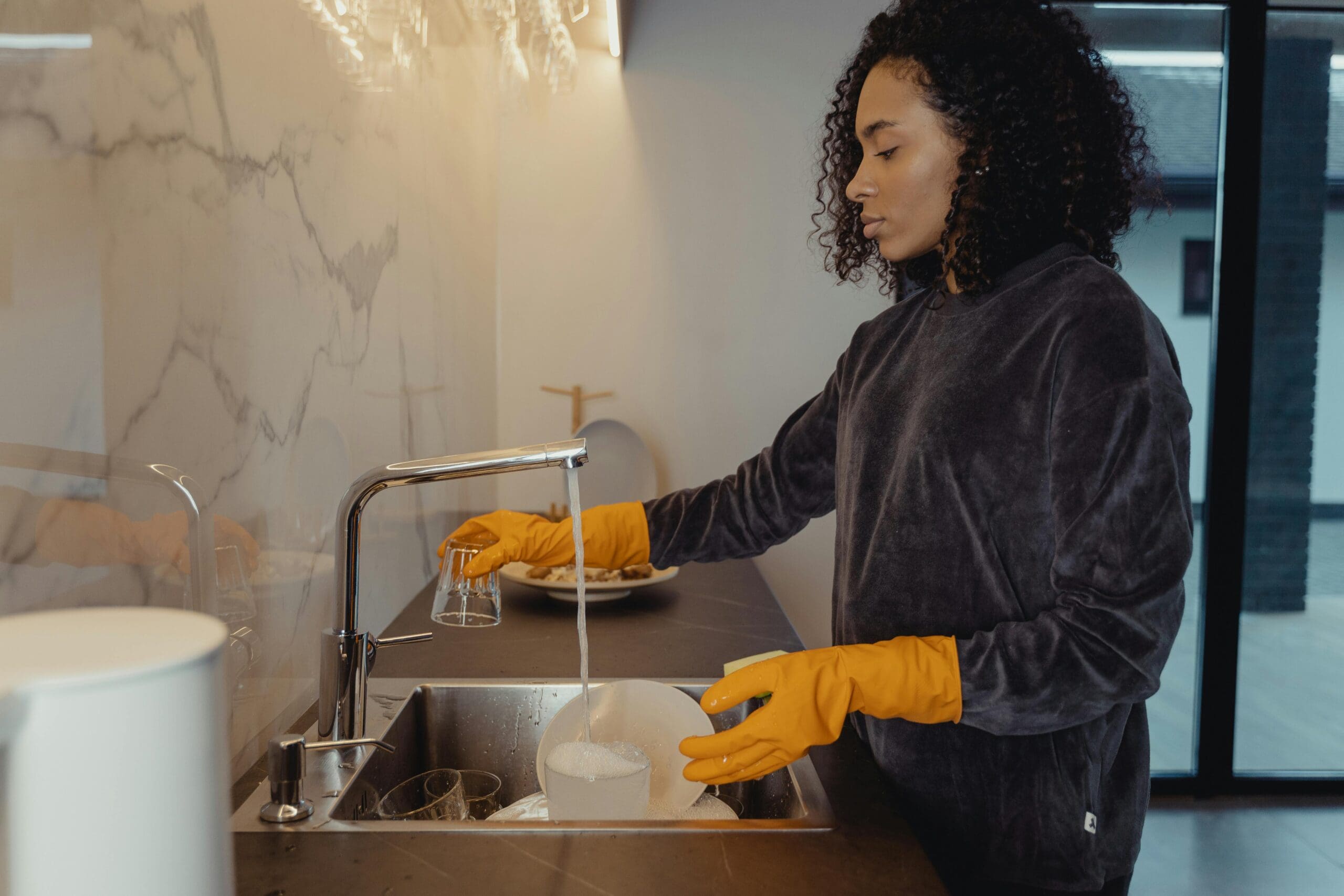
So much of what we do for our families and relationships happens in the dark. It goes unnoticed because it’s woven into the background of daily life.
That’s why observation-based statements are so effective. They work beautifully with kids, too.
Here’s what that sounds like in real life:
“I want you to know that I see how much effort you’re putting into making the holidays special. You’ve been running around nonstop, and I see it.”
“I don’t always fully understand everything you do at work, but I do see what it provides for our family. Your contribution matters, and I appreciate it.”
“I noticed how exhausted you were tonight, and you still made the effort to get dinner on the table. That didn’t go unnoticed.”
“I want you to know that I see you. A lot of what you do happens behind the scenes, but it matters to me more than you know.”
These kinds of statements don’t fix everything, but they create a felt sense of being visible and valued. And that feeling goes a long way.




I’ve tried some phrases similar to these and I feel like my partner sees them as me “being artificial or fake” as these are things I don’t normally say. I am trying to be better but I feel like they think I’m doing this without being genuine.
I’m in the same boat. I usually get an eye roll from my husband 😞